LEAN
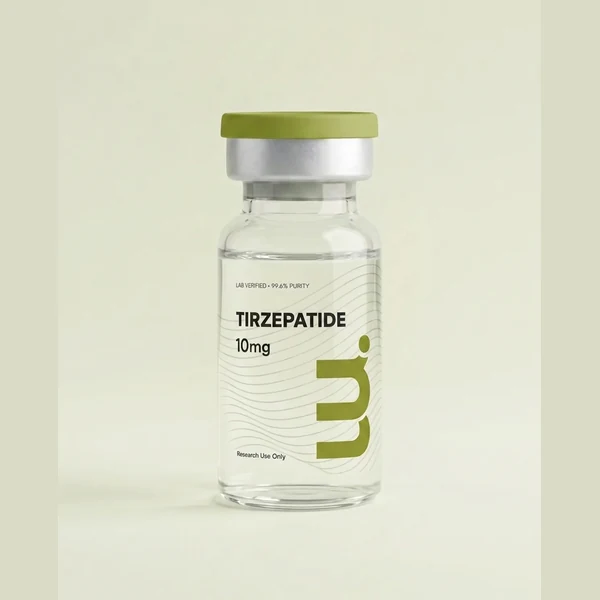
Tirzepatide 10mg
Tirzepatide
€199.00
Purity ≥99% · verified by HPLC and mass spectrometry
Order via TelegramIndependent HPLC and mass spectrometry report.
Tracked shipping to the United Kingdom, Ireland and the rest of Europe · handling 0–1 days · 14-day right of withdrawal
Technical specification
| CAS number | 2023788-19-2 |
|---|---|
| Sequence | |
| Molecular formula | C225H348N48O68 |
| Molecular weight | 4813.5 g/mol |
| Purity | ≥99% |
| Presentation | Lyophilised powder, single-use glass vial |
| Intended use | Laboratory research use only |
Tirzepatide is a synthetic 39-amino-acid peptide engineered as a dual agonist of the glucose-dependent insulinotropic polypeptide (GIP) and glucagon-like peptide-1 (GLP-1) receptors. The molecule carries a C20 fatty diacid moiety attached through a linker to extend its circulating half-life, a design strategy shared with other long-acting incretin-based research peptides.
The literature on dual GIP/GLP-1 agonism spans receptor-binding pharmacology, rodent models of glucose homeostasis and body-composition research, and comparative studies against single-receptor GLP-1 agonists. Researchers use tirzepatide as a tool to study the combined and independent contributions of the GIP and GLP-1 signalling pathways to metabolic regulation.
Research applications
- Dual GIP/GLP-1 receptor binding and signalling studies
- Rodent models of glucose homeostasis and insulin secretion
- Comparative incretin-pathway pharmacology research
- Body-composition research in preclinical models
What the literature reports on tirzepatide
Tirzepatide's structure combines a modified GIP backbone with GLP-1 receptor activity, engineered through targeted amino acid substitutions including alpha-aminoisobutyric acid (Aib) residues that confer resistance to DPP-4 enzymatic degradation. This design is documented extensively in the pharmacology and medicinal chemistry literature describing incretin-based receptor agonists.
Receptor pharmacology research
In vitro receptor-binding studies have characterised tirzepatide's affinity and activity at both the GIP and GLP-1 receptors, reporting a distinct pharmacological profile compared with single-receptor agonists. This research has informed structural biology studies examining how dual-agonist peptides interact with incretin receptor binding pockets.
Metabolic research in animal models
Rodent and non-human primate studies have reported changes in glucose tolerance, insulin secretion dynamics and body weight parameters following tirzepatide administration, with findings generally interpreted in the context of combined incretin-receptor engagement. Comparative studies against selective GLP-1 receptor agonists have been used to isolate the specific contribution of GIP receptor co-agonism to the observed metabolic effects.
Half-life extension chemistry
The fatty diacid-linker conjugation strategy used in tirzepatide is itself a subject of pharmacokinetic research, with studies examining how albumin binding through this moiety extends circulating half-life relative to unmodified incretin peptides. This chemistry is shared conceptually with other long-acting peptide classes studied in metabolic research.
Comparative research against other incretin peptides
Research groups have used tirzepatide as a comparator compound alongside single-receptor GLP-1 agonists and other dual- or triple-receptor agonists, including retatrutide, to characterise how the number and combination of engaged incretin receptors relates to the magnitude and durability of metabolic effects observed in animal models. This comparative pharmacology forms a substantial part of the contemporary incretin-receptor research literature.
Species and model considerations
Because incretin receptor pharmacology can differ between rodent and primate species, researchers studying tirzepatide have reported the importance of selecting appropriate animal models when interpreting cross-species pharmacodynamic data, a methodological consideration documented across multiple independent research programmes examining GIP/GLP-1 receptor biology.
Laboratory handling
Tirzepatide is supplied as a lyophilised powder and should be stored at -20°C, protected from light and moisture, until reconstitution. As with other large modified peptides, reconstitution should introduce the diluent gently along the vial wall to avoid foaming or mechanical disruption of the peptide structure.
- Lyophilised powder: store at -20°C, protected from light, until reconstitution.
- Reconstitution: introduce diluent slowly along the vial wall; avoid vigorous shaking or foaming.
- Post-reconstitution: 2-8°C for short-term laboratory use; avoid repeated freeze-thaw cycles.
- Each batch ships with a certificate of analysis confirming ≥99% purity by HPLC and identity by mass spectrometry.
See the peptide reconstitution and storage guide for a full protocol reference. This product is intended for laboratory research use only.
References
- Rosenstock J, Wysham C, Frías JP, et al. “Efficacy and safety of a novel dual GIP and GLP-1 receptor agonist tirzepatide in patients with type 2 diabetes (SURPASS-1): a double-blind, randomised, phase 3 trial”. The Lancet, 2021. PubMed / DOI
- Frías JP, Davies MJ, Rosenstock J, et al. “Tirzepatide versus Semaglutide Once Weekly in Patients with Type 2 Diabetes”. New England Journal of Medicine, 2021. PubMed / DOI
- Jastreboff AM, Aronne LJ, Ahmad NN, et al. “Tirzepatide Once Weekly for the Treatment of Obesity”. New England Journal of Medicine, 2022. PubMed / DOI
- Coskun T, Sloop KW, Loghin C, et al. “LY3298176, a novel dual GIP and GLP-1 receptor agonist for the treatment of type 2 diabetes mellitus: From discovery to clinical proof of concept”. Molecular Metabolism, 2018. PubMed / DOI
Related compounds
-
 LEAN
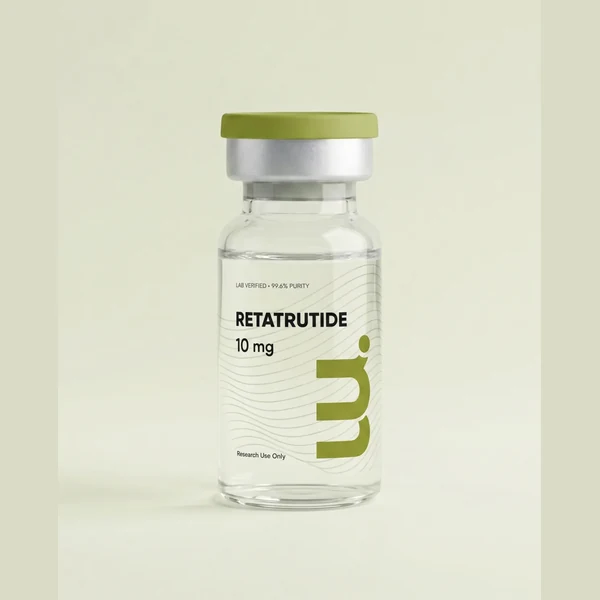
Retatrutide 10mg
Triple GIP/GLP-1/glucagon receptor agonist peptide under investigation in metabolic research models.
€209.00
LEAN
Retatrutide 10mg
Triple GIP/GLP-1/glucagon receptor agonist peptide under investigation in metabolic research models.
€209.00
-
 GLOW
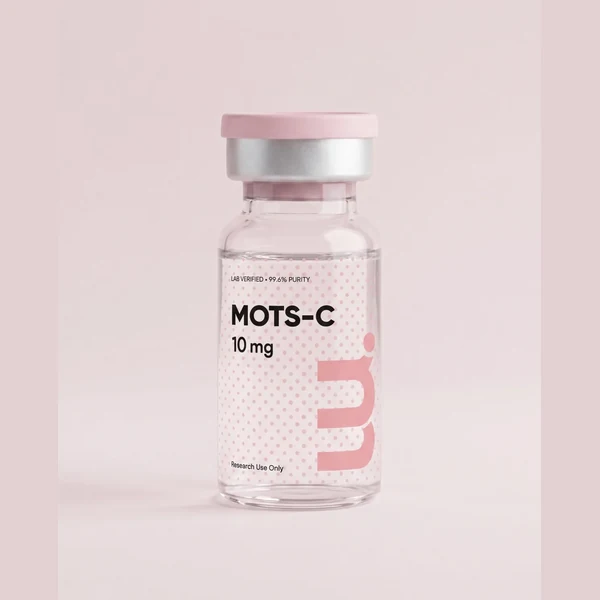
MOTS-c 10mg
Mitochondrial-derived peptide studied in research on metabolic regulation and exercise physiology in animal models.
€79.00
GLOW
MOTS-c 10mg
Mitochondrial-derived peptide studied in research on metabolic regulation and exercise physiology in animal models.
€79.00
-
 LEAN
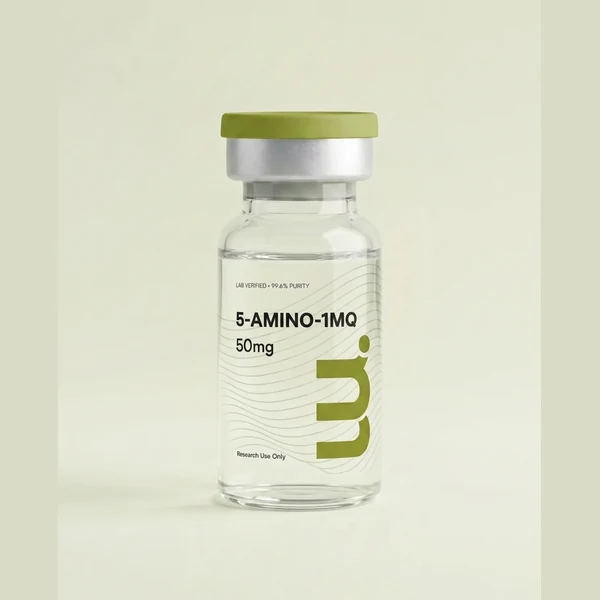
5-Amino-1MQ 50mg
Small-molecule NNMT inhibitor studied in research on adipocyte metabolism in preclinical models.
€119.00
LEAN
5-Amino-1MQ 50mg
Small-molecule NNMT inhibitor studied in research on adipocyte metabolism in preclinical models.
€119.00