BUILD
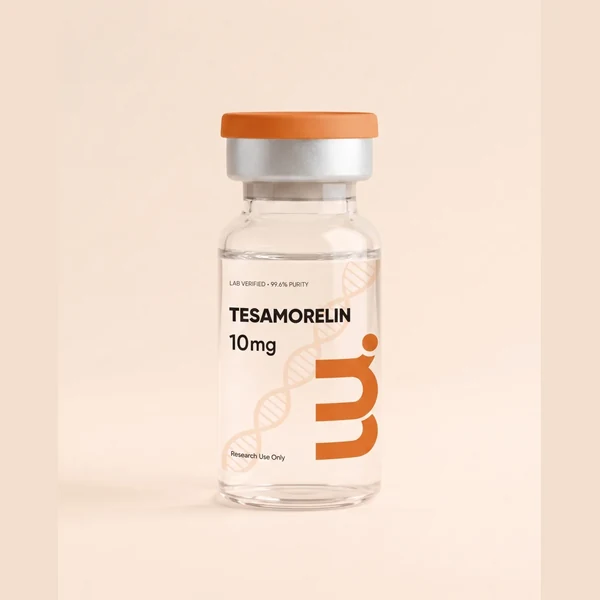
Tesamorelin 10mg
Tesamorelin
€139.00
Purity ≥99% · verified by HPLC and mass spectrometry
Order via TelegramIndependent HPLC and mass spectrometry report · 99.93% by HPLC · lot TESM-042026-4.
Tracked shipping to the United Kingdom, Ireland and the rest of Europe · handling 0–1 days · 14-day right of withdrawal
Technical specification
| CAS number | 218949-48-5 |
|---|---|
| Sequence | Hex-Tyr-Ala-Asp-Ala-Ile-Phe-Thr-Asn-Ser-Tyr-Arg-Lys-Val-Leu-Gly-Gln-Leu-Ser-Ala-Arg-Lys-Leu-Leu-Gln-Asp-Ile-Met-Ser-Arg-Gln-Gln-Gly-Glu-Ser-Asn-Gln-Glu-Arg-Gly-Ala-Arg-Ala-Arg-Leu-NH2 |
| Molecular formula | C221H366N72O67S |
| Molecular weight | 5135.9 g/mol |
| Purity | ≥99% |
| Presentation | Lyophilised powder, single-use glass vial |
| Intended use | Laboratory research use only |
Tesamorelin is a synthetic analogue of the full 44-amino-acid human growth-hormone-releasing hormone (GHRH(1-44)), modified with an N-terminal trans-3-hexenoyl group that increases its resistance to enzymatic degradation relative to native GHRH. Because it preserves the complete native GHRH sequence rather than a truncated fragment, it is studied as a closer structural analogue to the endogenous hormone than the shorter GHRH(1-29)-based peptides in this catalogue.
The research literature on tesamorelin spans GHRH receptor pharmacology, clinical research into growth hormone and IGF-1 axis regulation, and comparative studies against other GHRH analogues. Its full-length native sequence has made it a reference compound in research examining structure-activity relationships across the GHRH analogue class.
Research applications
- Full-length GHRH(1-44) receptor pharmacology research
- Growth hormone and IGF-1 axis regulation studies
- Comparative structure-activity research against truncated GHRH analogues
- Enzymatic degradation resistance research (hexenoyl modification)
What the literature reports on tesamorelin
Tesamorelin retains the full 44-residue sequence of native human GHRH, distinguishing it from truncated GHRH(1-29) analogues such as CJC-1295. The N-terminal hexenoyl modification is documented in the medicinal chemistry literature as conferring resistance to N-terminal proteolytic cleavage, extending the peptide's functional half-life without altering its core receptor-binding sequence.
GHRH receptor pharmacology
Because tesamorelin preserves the complete native GHRH sequence, receptor-binding studies have used it as a reference compound for characterising GHRH receptor pharmacology, reporting binding affinity and activation kinetics closely comparable to native GHRH itself, in contrast to the modified binding profiles reported for truncated analogues.
Growth hormone axis research
Clinical and preclinical research has examined tesamorelin's effects on the growth hormone and IGF-1 axis, with studies reporting sustained increases in IGF-1 levels following administration. This research has been particularly documented in the context of visceral adipose tissue physiology, an area where tesamorelin has an established regulatory history outside the research-reagent context covered by this catalogue.
Comparative GHRH-analogue research
Researchers studying structure-activity relationships across the GHRH analogue class frequently compare tesamorelin's full-length sequence against truncated variants such as CJC-1295, using the comparison to isolate which structural elements of native GHRH are required for receptor activation versus pharmacokinetic stability.
Visceral adipose tissue research
A distinctive strand of the tesamorelin literature examines its effects on visceral adipose tissue, an area of research that has generated a substantial regulatory and clinical evidence base outside the scope of research-grade material. Preclinical mechanistic work in this area has focused on how sustained GHRH receptor engagement and downstream IGF-1 signalling relate to adipocyte lipid handling in visceral fat depots specifically, as distinct from subcutaneous adipose tissue.
Enzymatic stability research
Analytical studies have characterised the specific contribution of the N-terminal hexenoyl modification to tesamorelin's resistance against N-terminal proteolysis, research that has informed the broader medicinal chemistry literature on acylation strategies for extending regulatory peptide half-life.
Laboratory handling
Tesamorelin should be stored as lyophilised powder at -20°C, protected from light and moisture, until reconstitution. As a larger 44-residue peptide, careful reconstitution technique, introducing diluent slowly along the vial wall and mixing gently, helps preserve structural integrity.
- Lyophilised powder: store at -20°C, protected from light, until reconstitution.
- Reconstitution: introduce diluent slowly along the vial wall; mix gently, do not shake.
- Post-reconstitution: 2-8°C for short-term laboratory use; avoid repeated freeze-thaw cycles.
- Each batch ships with a certificate of analysis confirming ≥99% purity by HPLC and identity by mass spectrometry.
See the peptide reconstitution and storage guide for a full protocol reference. This product is intended for laboratory research use only.
References
- Falutz J, Allas S, Blot K, et al. “Metabolic effects of a growth hormone-releasing factor in patients with HIV”. New England Journal of Medicine, 2007. PubMed / DOI
- Falutz J, Potvin D, Mamputu JC, et al. “Effects of tesamorelin, a growth hormone-releasing factor, in HIV-infected patients with abdominal fat accumulation: a randomized placebo-controlled trial with a safety extension”. Journal of Acquired Immune Deficiency Syndromes, 2010. PubMed / DOI
- Falutz J, Mamputu JC, Potvin D, et al. “Effects of tesamorelin (TH9507), a growth hormone-releasing factor analog, in human immunodeficiency virus-infected patients with excess abdominal fat: a pooled analysis of two multicenter, double-blind placebo-controlled phase 3 trials”. Journal of Clinical Endocrinology and Metabolism, 2010. PubMed / DOI
- Stanley TL, Falutz J, Mamputu JC, et al. “Effects of tesamorelin on inflammatory markers in HIV patients with excess abdominal fat: relationship with visceral adipose reduction”. AIDS, 2011. PubMed / DOI
Related compounds
-
 BUILD
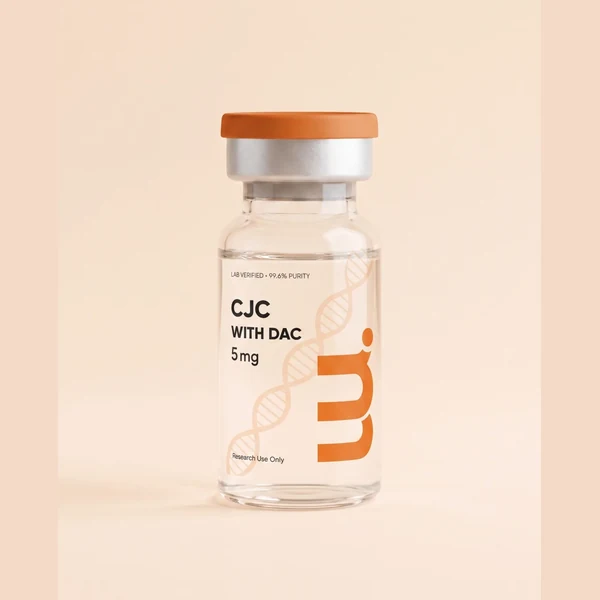
CJC-1295 5mg
Long-acting GHRH analogue (with DAC) studied in research on growth hormone secretion in animal models.
€85.00
BUILD
CJC-1295 5mg
Long-acting GHRH analogue (with DAC) studied in research on growth hormone secretion in animal models.
€85.00
-
 BUILD
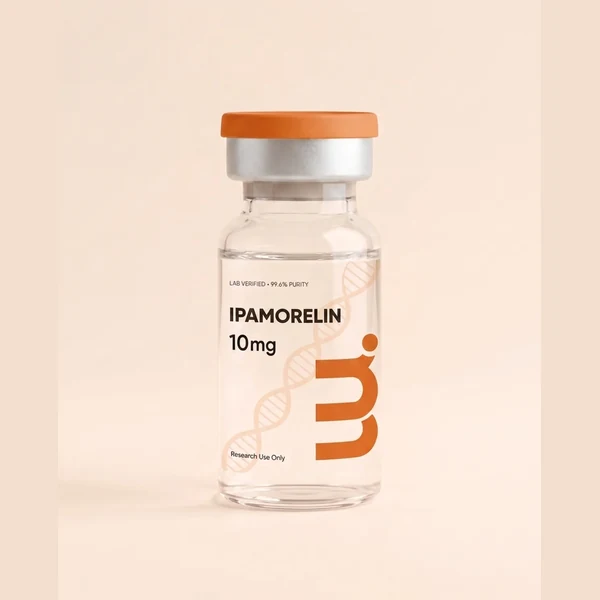
Ipamorelin 10mg
Selective ghrelin-receptor agonist peptide studied in research on growth hormone secretion pathways.
€79.00
BUILD
Ipamorelin 10mg
Selective ghrelin-receptor agonist peptide studied in research on growth hormone secretion pathways.
€79.00
-
 BUILD
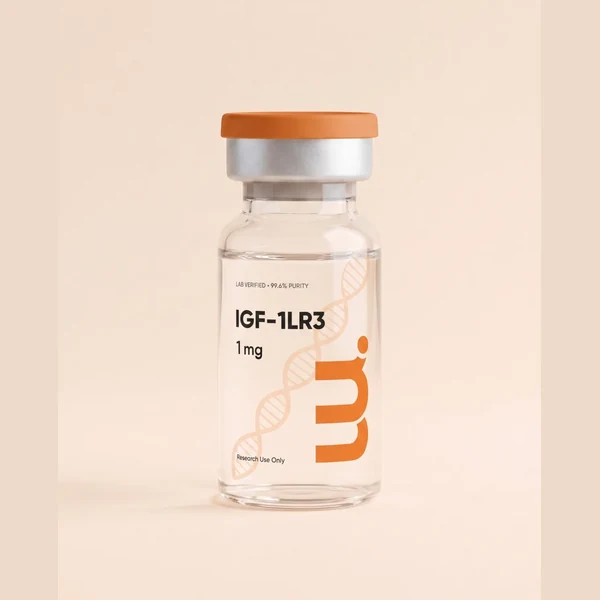
IGF-1 LR3 1mg
Long-acting IGF-1 analogue used in cell-culture and animal research on growth-factor signalling.
€209.00
BUILD
IGF-1 LR3 1mg
Long-acting IGF-1 analogue used in cell-culture and animal research on growth-factor signalling.
€209.00