GLOW
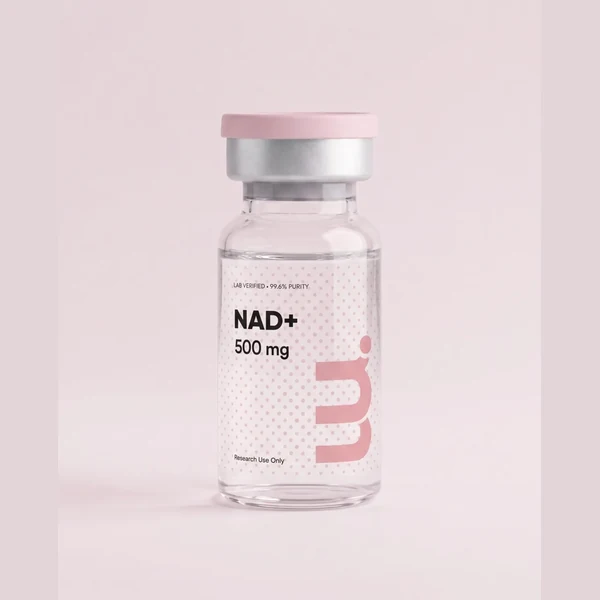
NAD+ 500mg
NAD+
€179.00
Purity ≥99% · verified by HPLC and mass spectrometry
Order via TelegramThe report for the lot that would ship to you is issued on request, before payment.
Tracked shipping to the United Kingdom, Ireland and the rest of Europe · handling 0–1 days · 14-day right of withdrawal
Technical specification
| CAS number | 53-84-9 |
|---|---|
| Sequence | |
| Molecular formula | C21H27N7O14P2 |
| Molecular weight | 663.4 g/mol |
| Purity | ≥99% |
| Presentation | Lyophilised powder, single-use glass vial |
| Intended use | Laboratory research use only |
NAD+ (nicotinamide adenine dinucleotide) is a coenzyme present in every living cell, central to redox reactions in energy metabolism and acting as a substrate for enzyme families including sirtuins and PARPs. Research-grade NAD+ is used in cell-culture and animal studies examining mitochondrial function, DNA repair signalling and cellular ageing pathways.
A substantial and growing body of literature has examined how cellular NAD+ levels decline with age across multiple tissue types in animal models, and how restoring NAD+ availability through direct administration or precursor supplementation affects markers of mitochondrial function. This research forms the basis for NAD+'s inclusion as a laboratory reagent in metabolic and longevity research programmes.
Research applications
- Mitochondrial function and cellular respiration studies
- Sirtuin and PARP enzyme activity research
- Cellular ageing and senescence models
- DNA repair signalling pathway research
What the literature reports on NAD+
NAD+ functions as a coenzyme in hundreds of redox reactions and as a required substrate for NAD-consuming enzymes, including the sirtuin family (SIRT1-7) and poly(ADP-ribose) polymerases (PARPs). Because both enzyme families are implicated in metabolic regulation and genomic stability, NAD+ availability is a recurring variable in the ageing and metabolic-disease research literature.
Cellular ageing research
Multiple animal studies have reported an age-related decline in NAD+ levels across tissues including liver, muscle and brain, alongside a corresponding decline in markers of mitochondrial biogenesis and function. Research groups have used direct NAD+ administration and precursor-based approaches (nicotinamide mononucleotide, nicotinamide riboside) as tools to study whether restoring NAD+ pools can reverse or slow these age-associated changes in animal models.
Mitochondrial function studies
Because NAD+ is a direct substrate in the electron transport chain, in vitro and animal studies have examined its role in maintaining mitochondrial membrane potential and oxidative phosphorylation capacity. This research has been extended to disease models involving mitochondrial dysfunction, including studies of metabolic syndrome and neurodegeneration in rodent models.
DNA repair and genomic stability
PARP enzymes consume NAD+ as a substrate during DNA repair processes, and studies have reported that NAD+ depletion under conditions of high DNA damage can impair repair capacity in cultured cells. This line of research connects NAD+ metabolism research to broader studies of genomic stability and cellular stress response.
Precursor pathway research
Because direct NAD+ administration faces cell-permeability constraints in some experimental systems, a parallel research literature examines NAD+ precursor molecules, including nicotinamide mononucleotide (NMN) and nicotinamide riboside (NR), as alternative tools for raising intracellular NAD+ pools. Comparative studies between direct NAD+ administration and precursor-based approaches are used to characterise differences in cellular uptake kinetics and downstream metabolic effects.
Metabolic syndrome research
Rodent models of diet-induced metabolic dysfunction have been used to study how NAD+ availability relates to markers of insulin sensitivity and hepatic lipid metabolism, with research reporting associations between NAD+ decline and metabolic syndrome phenotypes. This research thread situates NAD+ within the broader metabolic and ageing research literature relevant to this catalogue's LEAN and FOCUS research categories.
Laboratory handling
NAD+ is sensitive to hydrolysis and should be stored as lyophilised powder at -20°C, protected from light and moisture, until reconstitution. Because NAD+ in solution degrades more readily than many peptides, researchers typically prepare working solutions in small aliquots close to the time of use rather than storing large reconstituted volumes.
- Lyophilised powder: store at -20°C, protected from light and moisture.
- Reconstitution: use sterile water or an appropriate buffer per the researcher's protocol; prepare small aliquots to limit freeze-thaw exposure.
- Reconstituted solution: use promptly or store at -20°C in single-use aliquots.
- Each batch ships with a certificate of analysis confirming ≥99% purity by HPLC and identity by mass spectrometry.
See the peptide reconstitution and storage guide for general laboratory handling practice. This product is intended for laboratory research use only.
References
- Martens CR, Denman BA, Mazzo MR, et al. “Chronic nicotinamide riboside supplementation is well-tolerated and elevates NAD+ in healthy middle-aged and older adults”. Nature Communications, 2018. PubMed / DOI
- Conze D, Brenner C, Kruger CL. “Safety and Metabolism of Long-term Administration of NIAGEN (Nicotinamide Riboside Chloride) in a Randomized, Double-Blind, Placebo-controlled Clinical Trial of Healthy Overweight Adults”. Scientific Reports, 2019. PubMed / DOI
- Dellinger RW, Santos SR, Morris M, et al. “Repeat dose NRPT (nicotinamide riboside and pterostilbene) increases NAD+ levels in humans safely and sustainably: a randomized, double-blind, placebo-controlled study”. npj Aging and Mechanisms of Disease, 2017. PubMed / DOI
Related compounds
-
 FOCUS
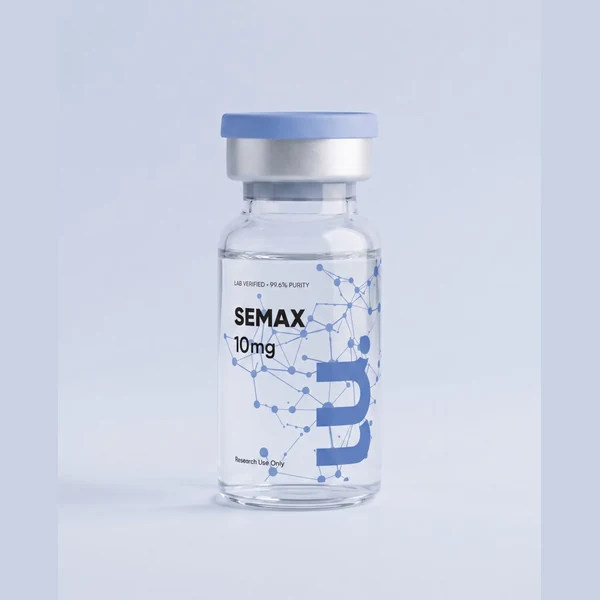
Semax 10mg
Synthetic ACTH(4-10) fragment analogue studied in preclinical models of memory, attention and neuroprotection.
€85.00
FOCUS
Semax 10mg
Synthetic ACTH(4-10) fragment analogue studied in preclinical models of memory, attention and neuroprotection.
€85.00
-
 GLOW
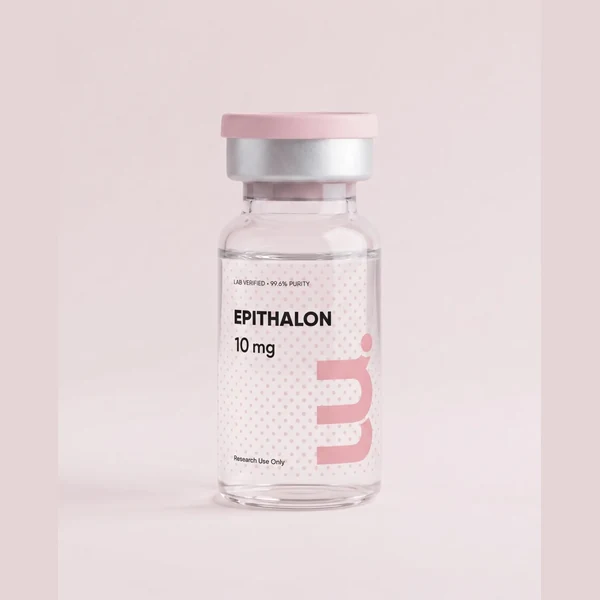
Epithalon 10mg
Synthetic tetrapeptide studied in research on telomerase activity and cellular ageing models.
€89.00
GLOW
Epithalon 10mg
Synthetic tetrapeptide studied in research on telomerase activity and cellular ageing models.
€89.00
-
 GLOW
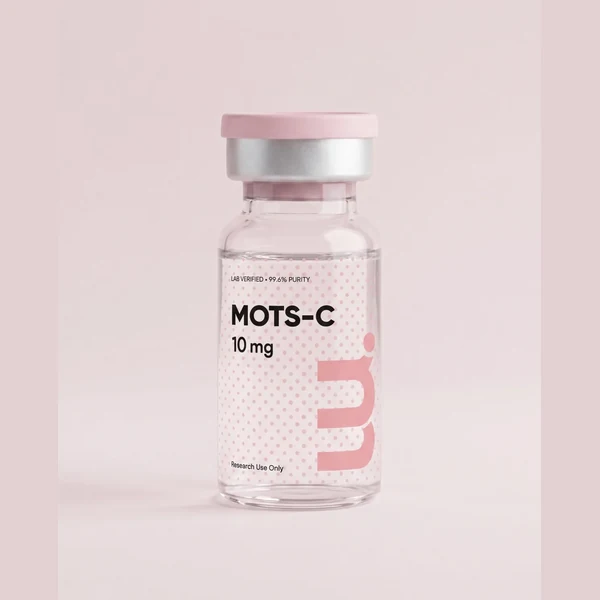
MOTS-c 10mg
Mitochondrial-derived peptide studied in research on metabolic regulation and exercise physiology in animal models.
€79.00
GLOW
MOTS-c 10mg
Mitochondrial-derived peptide studied in research on metabolic regulation and exercise physiology in animal models.
€79.00