GLOW
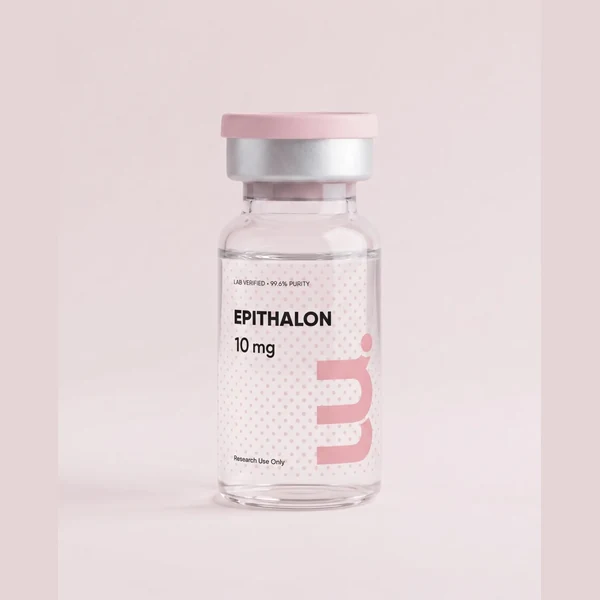
Epithalon 10mg
Epithalon
€89.00
Purity ≥99% · verified by HPLC and mass spectrometry
Order via TelegramThe report for the lot that would ship to you is issued on request, before payment.
Tracked shipping to the United Kingdom, Ireland and the rest of Europe · handling 0–1 days · 14-day right of withdrawal
Technical specification
| CAS number | 307297-39-8 |
|---|---|
| Sequence | Ala-Glu-Asp-Gly |
| Molecular formula | C14H22N4O9 |
| Molecular weight | 390.35 g/mol |
| Purity | ≥99% |
| Presentation | Lyophilised powder, single-use glass vial |
| Intended use | Laboratory research use only |
Epithalon (also spelled Epitalon) is a synthetic tetrapeptide (Ala-Glu-Asp-Gly) developed as a shorter, stabilised analogue of epithalamin, a peptide preparation originally derived from pineal gland tissue extract. It is one of several pineal-derived peptides studied in Russian and international longevity research programmes dating back several decades.
The literature on Epithalon focuses substantially on telomerase activity and cellular senescence research, alongside studies of circadian and pineal gland signalling. Its short, simple sequence has made it a frequently used tool compound in cell-culture studies of telomere biology.
Research applications
- Telomerase activity and telomere length research
- Cellular senescence studies in cultured cell lines
- Pineal gland and circadian signalling research
- Comparative research against epithalamin and related pineal peptides
What the literature reports on Epithalon
Epithalon was developed as a synthetic, stable analogue of epithalamin, a polypeptide extract from pineal gland tissue studied extensively for its role in regulating pineal and neuroendocrine function. Reducing epithalamin to a defined four-residue synthetic peptide allowed more controlled dose-response research than was possible with the original tissue extract.
Telomerase research
A substantial body of cell-culture research has examined Epithalon's effects on telomerase activity, with studies reporting increased telomerase expression and, in some cell models, changes in telomere length over extended culture periods. This research has positioned Epithalon as a frequently studied tool compound in telomere biology and cellular senescence research programmes.
Cellular senescence research
Related studies have examined markers of cellular senescence in cultured cell lines following Epithalon exposure, reporting changes in proliferative capacity and senescence-associated markers. This research connects Epithalon to the broader literature on interventions studied for their effects on replicative cellular ageing.
Pineal and circadian signalling research
Reflecting its origin as an epithalamin analogue, animal studies have examined Epithalon's effects on pineal gland function and circadian rhythm markers, including melatonin secretion patterns, research that continues to be an active area of neuroendocrine investigation.
Antioxidant pathway research
Separate from its telomerase-focused literature, research has examined Epithalon's effects on markers of oxidative stress in cultured cells and animal tissue, reporting changes in antioxidant enzyme activity that researchers have discussed as a possible contributing mechanism alongside telomerase-pathway effects in the broader cellular-longevity literature.
Comparative longevity-research context
Within this catalogue's GLOW category, Epithalon's telomerase and pineal-signalling research profile is often studied alongside the metabolic and coenzyme research associated with NAD+, given the shared cellular-ageing research framework that connects mitochondrial, genomic and neuroendocrine longevity pathways.
Laboratory handling
Epithalon should be stored as lyophilised powder at -20°C, protected from light and moisture, until reconstitution. As a short, simple tetrapeptide, it is generally stable when handled according to standard peptide reconstitution practice.
- Lyophilised powder: store at -20°C, protected from light, until reconstitution.
- Reconstitution: introduce diluent slowly along the vial wall; mix gently, do not shake.
- Post-reconstitution: 2-8°C for short-term laboratory use; avoid repeated freeze-thaw cycles.
- Each batch ships with a certificate of analysis confirming ≥99% purity by HPLC and identity by mass spectrometry.
See the peptide reconstitution and storage guide for a full protocol reference. This product is intended for laboratory research use only.
References
- Khavinson VKh, Bondarev IE, Butyugov AA. “Epithalon peptide induces telomerase activity and telomere elongation in human somatic cells”. Bulletin of Experimental Biology and Medicine, 2003. PubMed / DOI
- Anisimov VN, Khavinson VKh, Zavarzina NYu, et al. “Effect of pineal peptide on parameters of the biological age and life span in mice”. Rossiiskii Fiziologicheskii Zhurnal imeni I.M. Sechenova, 2001. PubMed
- Anisimov VN, Khavinson VKh, Alimova IN, Semchenko AV, Yashin AI. “Epithalon decelerates aging and suppresses development of breast adenocarcinomas in transgenic HER-2/neu mice”. Bulletin of Experimental Biology and Medicine, 2002. PubMed / DOI
- Araj SK, Brzezik J, Mądra-Gackowska K, Szeleszczuk Ł. “Overview of Epitalon — Highly Bioactive Pineal Tetrapeptide with Promising Properties”. International Journal of Molecular Sciences, 2025. PubMed / DOI
Related compounds
-
 GLOW
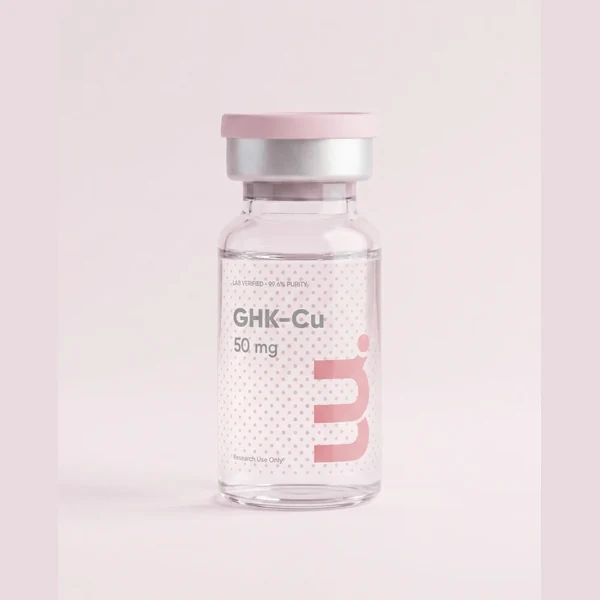
GHK-Cu 50mg
Copper-binding tripeptide complex studied in research on dermal fibroblast and collagen biology.
€79.00
GLOW
GHK-Cu 50mg
Copper-binding tripeptide complex studied in research on dermal fibroblast and collagen biology.
€79.00
-
 GLOW
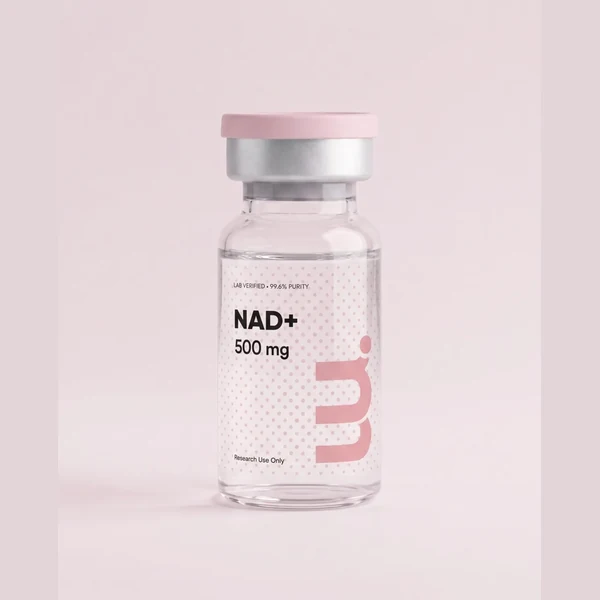
NAD+ 500mg
Coenzyme central to cellular energy metabolism, studied in research on mitochondrial function and cellular ageing.
€179.00
GLOW
NAD+ 500mg
Coenzyme central to cellular energy metabolism, studied in research on mitochondrial function and cellular ageing.
€179.00
-
 FOCUS
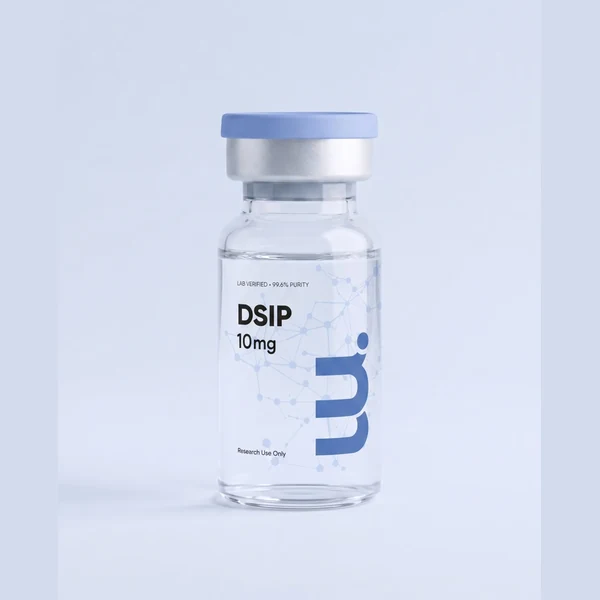
DSIP 10mg
Nonapeptide first isolated for its role in sleep research, studied in animal neurophysiology models.
€75.00
FOCUS
DSIP 10mg
Nonapeptide first isolated for its role in sleep research, studied in animal neurophysiology models.
€75.00