GLOW
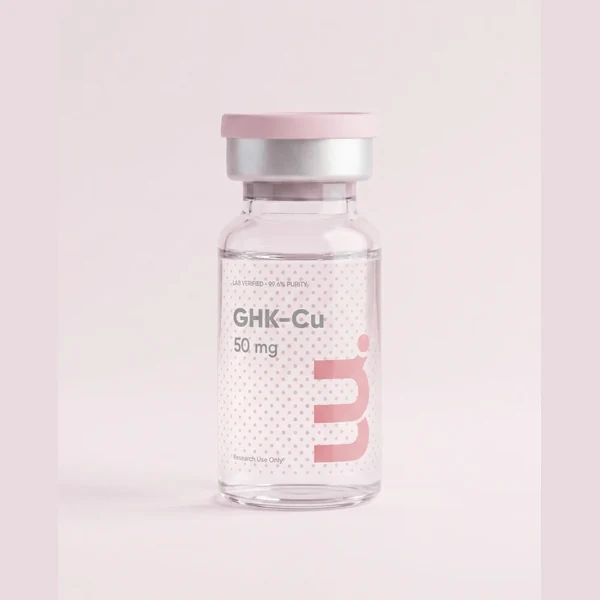
GHK-Cu 50mg
GHK-Cu
€79.00
Purity ≥99% · verified by HPLC and mass spectrometry
Order via TelegramIndependent HPLC and mass spectrometry report · 99.75% by HPLC · lot C3M9KQ.
Tracked shipping to the United Kingdom, Ireland and the rest of Europe · handling 0–1 days · 14-day right of withdrawal
Technical specification
| CAS number | |
|---|---|
| Sequence | Gly-His-Lys (Cu2+ complex) |
| Molecular formula | C14H24CuN6O4 |
| Molecular weight | 403.9 g/mol |
| Purity | ≥99% |
| Presentation | Lyophilised powder, single-use glass vial |
| Intended use | Laboratory research use only |
GHK-Cu is a naturally occurring tripeptide (Gly-His-Lys) complexed with a copper(II) ion, first identified in human plasma and later found to decline in concentration with age. The histidine residue's imidazole side chain, together with the peptide backbone, coordinates the copper ion, and this complex is the form studied predominantly in the dermal and cellular-biology literature.
Research on GHK-Cu spans in vitro studies of dermal fibroblast behaviour, collagen and glycosaminoglycan synthesis, and gene-expression studies examining its effects on tissue-remodelling pathways. Because natural GHK-Cu levels decline with age, it is also studied within the broader cellular-ageing research literature.
Research applications
- Dermal fibroblast behaviour and collagen synthesis research
- Copper-binding peptide chemistry and metal coordination studies
- Gene expression research on tissue-remodelling pathways
- Cellular ageing research (age-related decline in endogenous GHK-Cu)
What the literature reports on GHK-Cu
GHK-Cu was first identified as a component of human plasma, and subsequent research reported that its concentration declines substantially with age, a finding that positioned it within cellular-ageing and dermal-biology research programmes. Its copper-coordination chemistry, mediated primarily through the histidine imidazole group, has been characterised in detail in the peptide chemistry literature.
Dermal fibroblast research
In vitro studies using cultured dermal fibroblasts have reported that GHK-Cu exposure is associated with changes in collagen and glycosaminoglycan production, extracellular matrix components central to skin structure. This research has extended to studies of fibroblast migration and proliferation in wound-healing cell models.
Gene expression research
Gene-expression profiling studies have reported that GHK-Cu exposure influences the transcription of genes associated with tissue remodelling and antioxidant defence pathways in cultured cells, research that has been used to propose broader mechanistic models for GHK-Cu's reported cellular effects.
Copper chemistry research
As a well-characterised copper-binding tripeptide, GHK-Cu is also studied within bioinorganic chemistry research examining metal-peptide coordination, with structural studies describing the geometry of copper binding at the histidine imidazole and adjacent backbone nitrogens.
Nomenclature and identity research
Researchers should note that the CAS registry numbers used across commercial sources for GHK-Cu are not fully consistent: some sources register the number to the free, uncomplexed GHK tripeptide rather than to the copper complex itself. Analytical verification of the copper-bound state, rather than reliance on a single CAS number, is recommended practice when identity confirmation is required for a given research protocol.
Comparative longevity-research context
Within this catalogue's GLOW category, GHK-Cu is studied for its dermal and cellular effects as distinct from the telomerase-focused research associated with Epithalon, and the two compounds are sometimes examined in parallel within broader cellular-ageing research programmes.
Laboratory handling
GHK-Cu should be stored as lyophilised powder at -20°C, protected from light and moisture, until reconstitution. Because the copper complex is more chromophoric and redox-sensitive than uncomplexed peptides, minimising light exposure during handling is particularly important for preserving the intact complex.
- Lyophilised powder: store at -20°C, protected from light, until reconstitution.
- Reconstitution: introduce diluent slowly along the vial wall; mix gently, do not shake.
- Post-reconstitution: 2-8°C for short-term laboratory use, protected from light; avoid repeated freeze-thaw cycles.
- Each batch ships with a certificate of analysis confirming ≥99% purity by HPLC and identity by mass spectrometry.
See the peptide reconstitution and storage guide for a full protocol reference. This product is intended for laboratory research use only.
References
- Maquart FX, Pickart L, Laurent M, et al. “Stimulation of collagen synthesis in fibroblast cultures by the tripeptide-copper complex glycyl-L-histidyl-L-lysine-Cu2+”. FEBS Letters, 1988. PubMed / DOI
- Maquart FX, Bellon G, Chaqour B, et al. “In vivo stimulation of connective tissue accumulation by the tripeptide-copper complex glycyl-L-histidyl-L-lysine-Cu2+ in rat experimental wounds”. Journal of Clinical Investigation, 1993. PubMed / DOI
- Pickart L, Margolina A. “Regenerative and Protective Actions of the GHK-Cu Peptide in the Light of the New Gene Data”. International Journal of Molecular Sciences, 2018. PubMed / DOI
- Wang X, Liu B, Xu Q, et al. “GHK-Cu-liposomes accelerate scald wound healing in mice by promoting cell proliferation and angiogenesis”. Wound Repair and Regeneration, 2017. PubMed / DOI
Related compounds
-
 GLOW
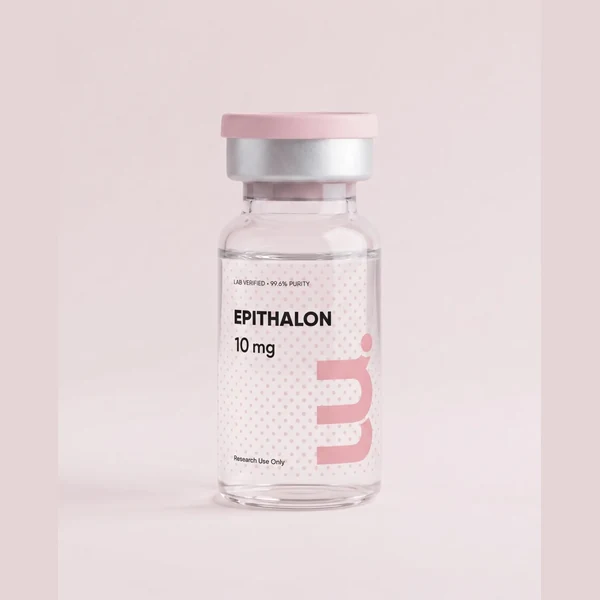
Epithalon 10mg
Synthetic tetrapeptide studied in research on telomerase activity and cellular ageing models.
€89.00
GLOW
Epithalon 10mg
Synthetic tetrapeptide studied in research on telomerase activity and cellular ageing models.
€89.00
-
 RECOVER
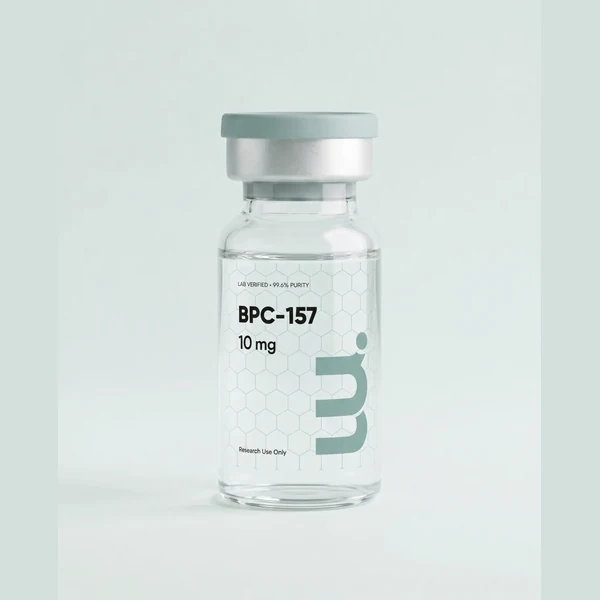
BPC-157 10mg
Synthetic pentadecapeptide fragment studied in animal models of tissue repair and gastrointestinal physiology.
€95.00
RECOVER
BPC-157 10mg
Synthetic pentadecapeptide fragment studied in animal models of tissue repair and gastrointestinal physiology.
€95.00
-
 LEAN
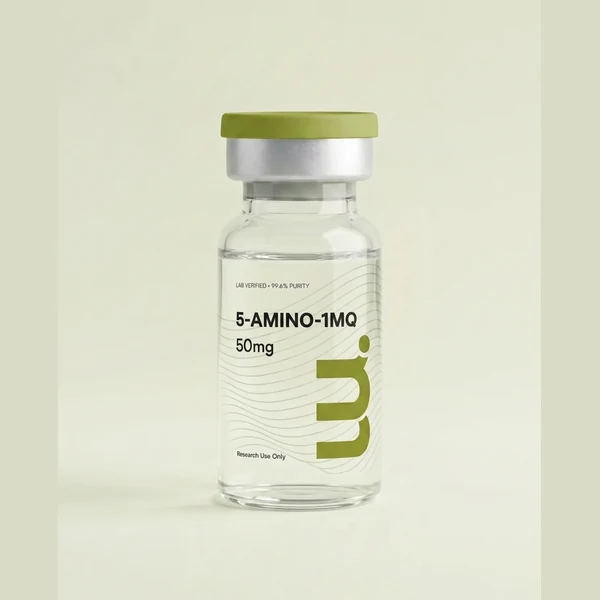
5-Amino-1MQ 50mg
Small-molecule NNMT inhibitor studied in research on adipocyte metabolism in preclinical models.
€119.00
LEAN
5-Amino-1MQ 50mg
Small-molecule NNMT inhibitor studied in research on adipocyte metabolism in preclinical models.
€119.00