DESIRE
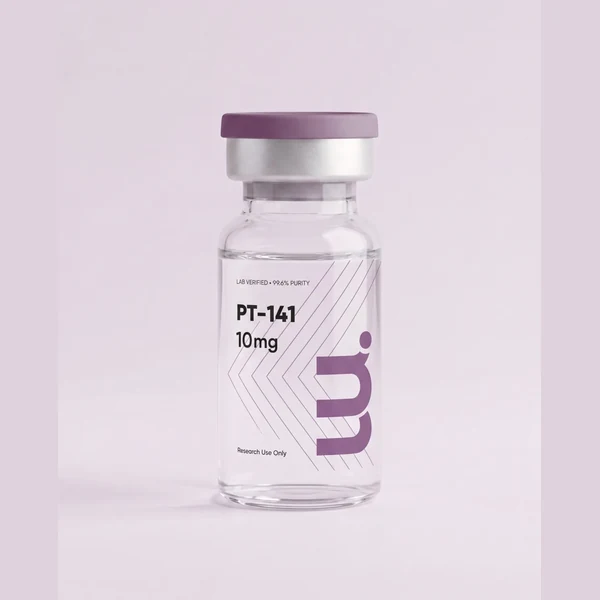
PT-141 10mg
PT-141
€105.00
Purity ≥99% · verified by HPLC and mass spectrometry
Order via TelegramIndependent HPLC and mass spectrometry report · 99.91% by HPLC · lot YGAFK7.
Tracked shipping to the United Kingdom, Ireland and the rest of Europe · handling 0–1 days · 14-day right of withdrawal
Technical specification
| CAS number | 189691-06-3 |
|---|---|
| Sequence | Ac-Nle-cyclo[Asp-His-D-Phe-Arg-Trp-Lys]-OH |
| Molecular formula | C50H68N14O10 |
| Molecular weight | 1025.2 g/mol |
| Purity | ≥99% |
| Presentation | Lyophilised powder, single-use glass vial |
| Intended use | Laboratory research use only |
PT-141 (bremelanotide) is a cyclic heptapeptide derived from alpha-melanocyte-stimulating hormone (alpha-MSH), studied as an agonist at melanocortin receptors, particularly MC3R and MC4R subtypes expressed in the central nervous system. It is structurally related to Melanotan II but carries a free C-terminal carboxylic acid rather than an amide, a distinction with documented effects on receptor selectivity.
The research literature on PT-141 examines melanocortin receptor pharmacology, central nervous system signalling pathways, and comparative receptor-selectivity studies against related melanocortin agonists. Researchers use it as a tool compound for studying MC3R/MC4R-mediated signalling independent of the pigmentation pathways associated with peripheral melanocortin receptor activity.
Research applications
- Melanocortin receptor (MC3R/MC4R) binding and activation studies
- Central nervous system signalling pathway research
- Comparative receptor-selectivity research against related melanocortin peptides
- Structure-activity research on cyclic lactam peptide design
What the literature reports on PT-141
PT-141 is derived from the core active sequence of alpha-MSH, cyclised through a lactam bond between an aspartate side chain and a lysine side chain to stabilise the peptide's bioactive conformation. This cyclic lactam design is documented in the medicinal chemistry literature describing melanocortin receptor agonist development.
Melanocortin receptor pharmacology
Receptor-binding studies have characterised PT-141's activity across the melanocortin receptor family (MC1R through MC5R), reporting relatively balanced activity at MC3R and MC4R compared with some other melanocortin agonists. This receptor profile has been a focus of structure-activity research examining how peptide modifications shift selectivity among the five melanocortin receptor subtypes.
Central nervous system signalling research
Because MC3R and MC4R are expressed within the hypothalamus and other central nervous system regions, research using PT-141 has examined downstream signalling pathways implicated in central melanocortin receptor activation, extending the broader melanocortin receptor literature into central nervous system pharmacology research.
Comparative research with Melanotan II
PT-141 and Melanotan II share the same core cyclic heptapeptide scaffold but differ at the C-terminus, PT-141 carrying a free acid and Melanotan II an amide. Researchers frequently compare the two compounds to study how this single structural difference affects receptor selectivity and signalling outcomes, with both peptides available in this catalogue for comparative research purposes; see the Melanotan II listing for the amidated variant.
Cyclisation chemistry research
The lactam-cyclisation strategy used in PT-141 is itself a subject of peptide chemistry research, with studies examining how constraining the peptide backbone into a defined ring conformation improves metabolic stability and receptor-binding specificity relative to linear alpha-MSH fragments.
Laboratory handling
PT-141 should be stored as lyophilised powder at -20°C, protected from light and moisture, until reconstitution. Reconstitution follows standard peptide practice: diluent introduced slowly along the vial wall, followed by gentle mixing.
- Lyophilised powder: store at -20°C, protected from light, until reconstitution.
- Reconstitution: introduce diluent slowly along the vial wall; mix gently, do not shake.
- Post-reconstitution: 2-8°C for short-term laboratory use; avoid repeated freeze-thaw cycles.
- Each batch ships with a certificate of analysis confirming ≥99% purity by HPLC and identity by mass spectrometry.
See the peptide reconstitution and storage guide for a full protocol reference. This product is intended for laboratory research use only.
References
- Kingsberg SA, Clayton AH, Portman D, et al. “Bremelanotide for the Treatment of Hypoactive Sexual Desire Disorder: Two Randomized Phase 3 Trials”. Obstetrics & Gynecology, 2019. PubMed / DOI
- Clayton AH, Althof SE, Kingsberg S, et al. “Bremelanotide for female sexual dysfunctions in premenopausal women: a randomized, placebo-controlled dose-finding trial”. Women's Health, 2016. PubMed / DOI
- Molinoff PB, Shadiack AM, Earle D, Diamond LE, Quon CY. “PT-141: a melanocortin agonist for the treatment of sexual dysfunction”. Annals of the New York Academy of Sciences, 2003. PubMed / DOI
Related compounds
-
 DESIRE
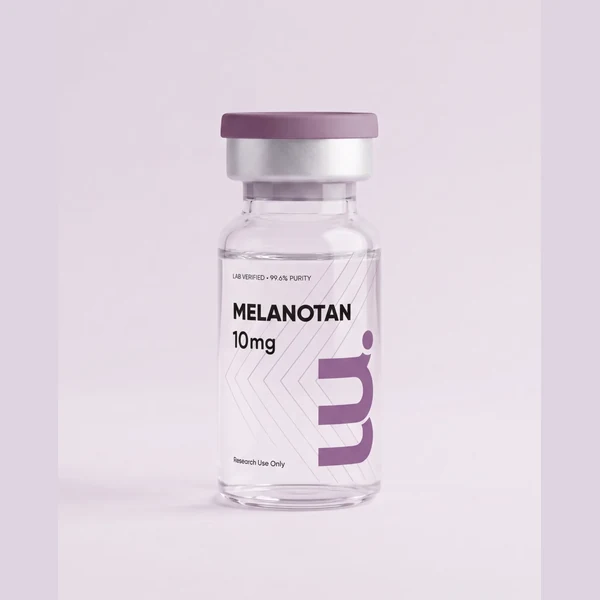
Melanotan II 10mg
Cyclic alpha-MSH analogue studied in preclinical research on melanocortin receptor pathways.
€99.00
DESIRE
Melanotan II 10mg
Cyclic alpha-MSH analogue studied in preclinical research on melanocortin receptor pathways.
€99.00
-
 FOCUS
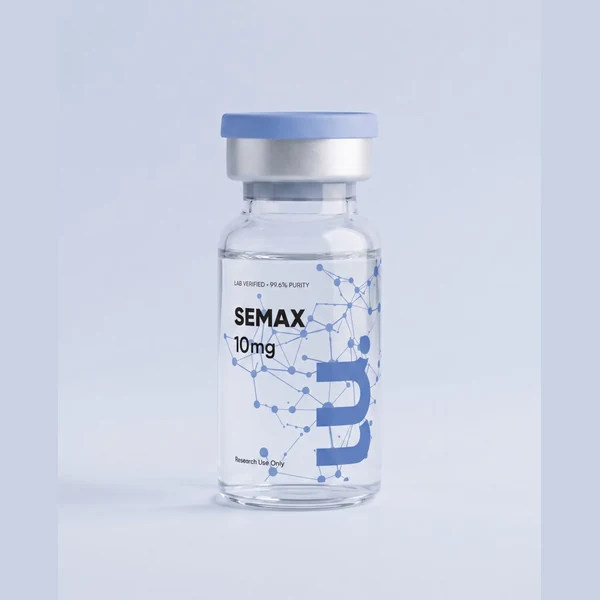
Semax 10mg
Synthetic ACTH(4-10) fragment analogue studied in preclinical models of memory, attention and neuroprotection.
€85.00
FOCUS
Semax 10mg
Synthetic ACTH(4-10) fragment analogue studied in preclinical models of memory, attention and neuroprotection.
€85.00
-
 FOCUS
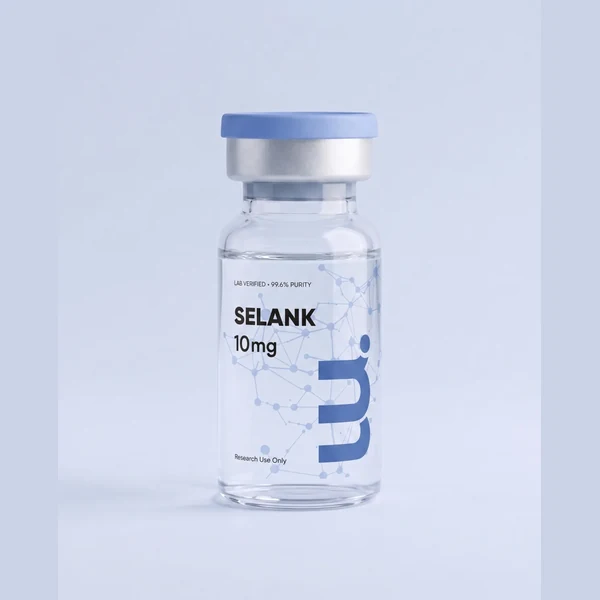
Selank 10mg
Synthetic tuftsin analogue investigated in animal studies of anxiety-related behaviour and immune modulation.
€85.00
FOCUS
Selank 10mg
Synthetic tuftsin analogue investigated in animal studies of anxiety-related behaviour and immune modulation.
€85.00