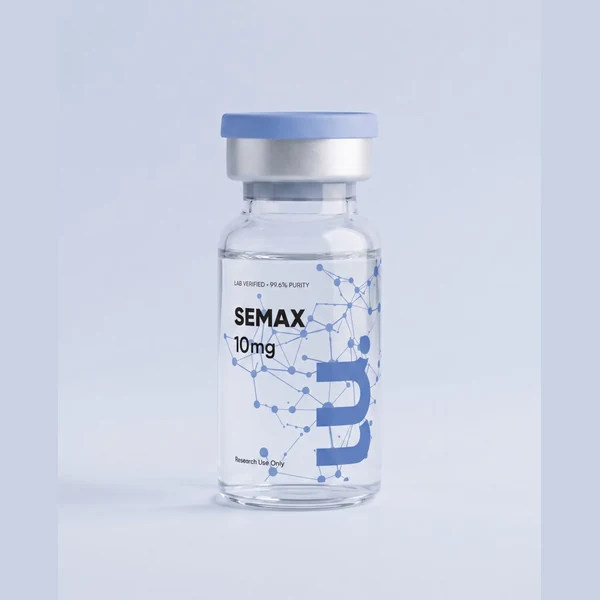
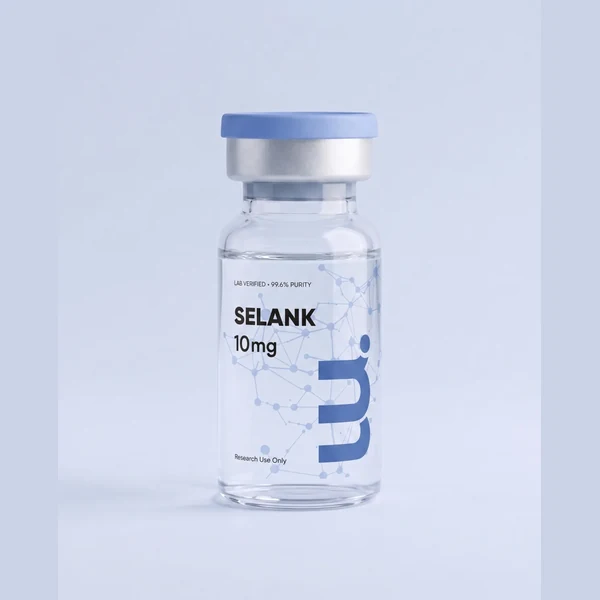
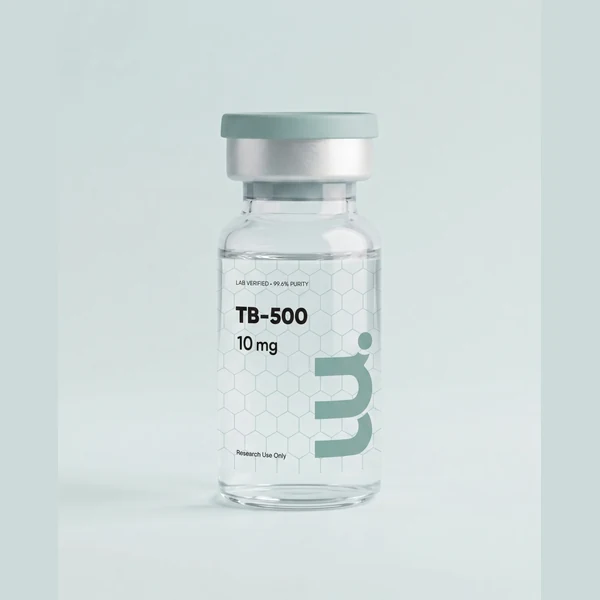
A research peptide ordered into the Netherlands is governed by the same EU chemicals framework — REACH and CLP — that applies across the bloc, with one practical difference from most other member states: SemaxBuy's dispatch point is within the Netherlands itself, so a Dutch order is a domestic shipment rather than a cross-border one. What still needs verifying is unchanged — a batch-specific COA, HPLC and mass spectrometry data, and a safety data sheet in the correct language — regardless of how short the shipping distance happens to be. Broader background on the EU-wide framework is set out in buying research peptides in Europe.
What regulatory framework governs a Dutch research peptide order?
REACH (Regulation (EC) No 1907/2006) and CLP (Regulation (EC) No 1272/2008) apply in the Netherlands as directly effective EU regulations, administered nationally through the National Institute for Public Health and the Environment (RIVM), which operates the Dutch REACH/CLP national helpdesk from Bilthoven. A synthetic heptapeptide such as Semax or Selank is classified and documented as a research chemical under this framework, not under Dutch medicines legislation, provided it is genuinely sold and labelled as a laboratory reagent.
Why does the Netherlands sit differently in the shipping picture?
SemaxBuy's declared dispatch point is Amsterdam, which means an order shipped to a Dutch address is a domestic Dutch shipment from the outset, rather than one travelling from elsewhere. That does not remove any documentation requirement: a COA matching the batch on the vial and a correctly formatted safety data sheet should accompany the order regardless of how short the route from dispatch to delivery is. Handling times, tracked transit and the 14-day right of withdrawal are set out on the shipping and returns page.
What language should the documentation be in?
REACH Article 31(5) requires a safety data sheet to be supplied in an official language of the member state where the substance is placed on the market, unless that state provides otherwise. For an order placed and delivered within the Netherlands, that points to Dutch-language documentation as the default expectation, alongside the batch-specific COA that should accompany every shipment regardless of language. What that COA needs to contain — batch number, HPLC trace, mass spectrometry confirmation, issuing laboratory — is covered in full in how to read a peptide COA.
What should a Dutch buyer verify on the purity figure?
A ≥99% HPLC purity claim is a peak-area calculation, not an independent statement of absolute chemical purity, and it needs a mass spectrometry result alongside it to confirm the compound's identity rather than just its chromatographic behaviour. The distinction between these two measurements, and why a COA presenting only one of them is incomplete, is set out in what HPLC purity actually measures. This applies equally to TB-500 and every other compound in the catalogue, not only to the hero Semax listing.
Does research use only framing carry a different meaning in the Netherlands?
Dutch medicines regulation, administered through the College ter Beoordeling van Geneesmiddelen (CBG-MEB), has not evaluated Semax or the rest of the SemaxBuy range for any indication, and none of them carry Dutch marketing authorisation. Selling the material strictly as a laboratory reagent — documented by purity and identity data rather than dosing instructions — is what keeps it inside the REACH/CLP chemicals category rather than the considerably more demanding pharmaceutical approval pathway. This is the same distinction discussed for the compound generally in what Semax is.
What should a buyer check before placing a Dutch order?
Four checks cover most of the practical ground: the batch number on the vial matches the batch number on the COA exactly, both HPLC and mass spectrometry results are present rather than a purity percentage alone, the safety data sheet is available in Dutch, and the stated dispatch point is genuinely within the Netherlands rather than a marketing claim unconnected to where the parcel actually ships from. The wider set of warning signs that distinguish a credible vendor from an unverified one is set out in how to spot a low-quality research peptide vendor, and the current batch documentation for the range is published on the purity and COA page.
How does a Dutch order compare with one shipped to another EU country?
For a buyer elsewhere in the EU, the same Amsterdam dispatch point still applies — only the destination changes. A Dutch order travels the shortest possible route from that same dispatch point, which in practice narrows the range of things that can introduce delay, though it does not change the documentation a careful researcher should still request before paying. The ordering process itself, including how orders are placed through Telegram, is set out step by step in the guide to buying research Semax.
What CLP labelling requirements apply to a Dutch order?
Where a hazard classification applies to a compound, CLP requires labelling — pictograms, signal words, hazard statements — on the packaging itself, supplied in Dutch for a Dutch order under the same official-language logic that governs the safety data sheet. For a short peptide supplied in milligram quantities in a sealed vial, this labelling burden is modest relative to bulk chemical shipments, but a buyer should still expect to see it where a hazard classification is declared on the accompanying SDS, and should query a supplier that provides one without the other.
How does an institutional Dutch order differ from an individual one?
A researcher ordering through a Dutch university or contract research organisation typically works within an additional layer of internal procurement and biosafety policy, layered on top of the REACH/CLP requirements described above — a purchase order, a chemical inventory entry, and in some cases a laboratory safety committee review before a compound is brought on site. That institutional layer is not set by SemaxBuy or by Dutch national regulation directly, but a complete COA, SDS and dispatch record are exactly the documents most Dutch institutional procurement processes will expect a researcher to produce, which is a further reason to request full documentation before an order is placed rather than after.
None of the above constitutes legal advice, and jurisdiction-specific questions should go to a qualified adviser or institutional compliance office. Every compound listed in the SemaxBuy catalogue is supplied strictly for research use only, with batch-specific documentation available before a Dutch order is placed.