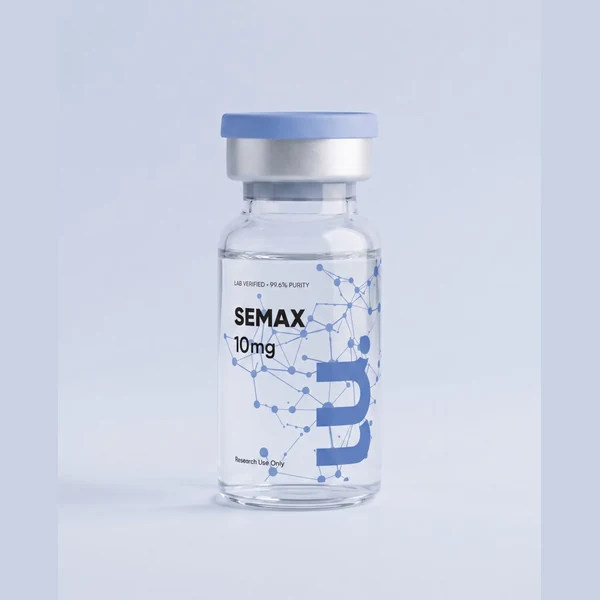
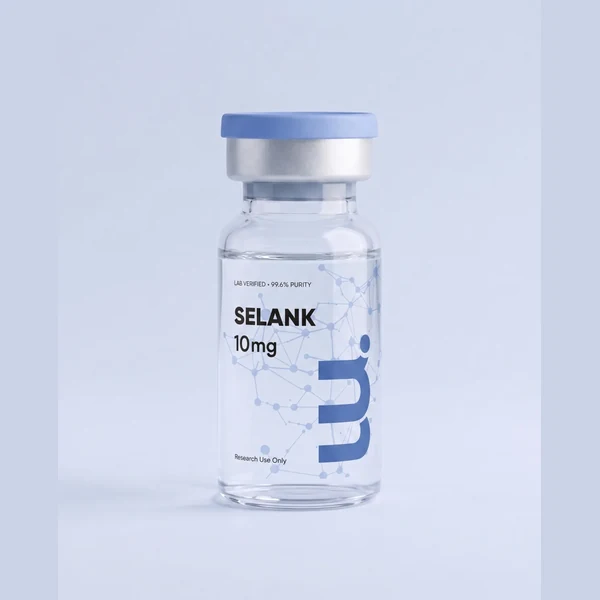
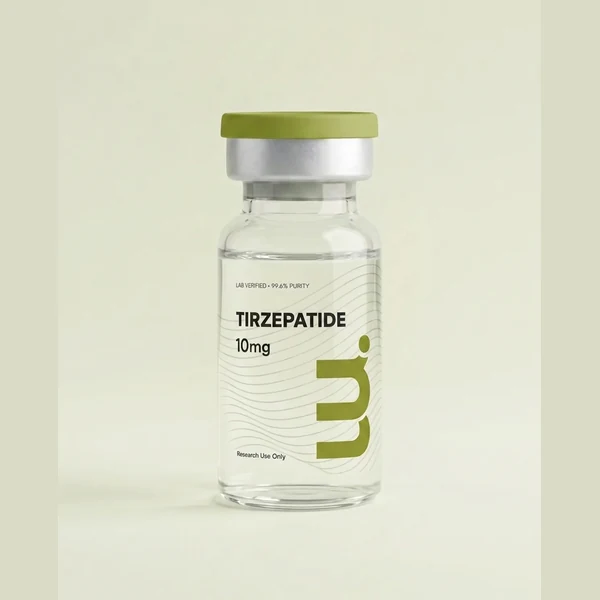
Research peptides move within the European Union under the general EU chemicals framework rather than under pharmaceutical law, principally REACH (Regulation (EC) No 1907/2006) for registration and safety data, and CLP (Regulation (EC) No 1272/2008) for classification and labelling. "Research use only" is the labelling convention that keeps a compound inside that chemicals framework rather than pharmaceutical or consumer-product regulation, provided the material is genuinely marketed and used as a laboratory reagent rather than as a finished product for human administration. This framework applies to every compound in the catalogue, from the Semax hero product to every other research peptide listed alongside it.
What does REACH mean for a research peptide import?
REACH is the EU's core chemicals regulation, requiring manufacturers and importers to register substances above certain volume thresholds and to provide safety data covering hazard classification and handling. Research quantities of synthetic peptides typically fall under REACH's provisions for scientific research and development, which reduces the registration burden relative to commercial-scale chemical import, but it does not remove the requirement for accurate safety documentation. A compliant supplier should be able to provide a REACH-aligned safety data sheet (SDS) in the destination country's language alongside the shipment.
What does "research use only" mean as a legal category in the EU?
Research use only is not a formal EU legal term with its own regulation; it is a labelling and marketing category that reflects how a substance is classified and sold. A peptide sold and labelled strictly for laboratory research — not formulated, dosed or marketed for human consumption — is regulated as a research chemical under REACH/CLP rather than as a medicine under EU pharmaceutical directives, which require a substantially different, and far more extensive, approval process. This is the same distinction discussed in what Semax is: a compound can be registered as a pharmaceutical in one jurisdiction, such as Russia, while being sold strictly as an unapproved research chemical in the EU, and the two statuses do not transfer between jurisdictions.
What documentation should accompany a shipment?
A shipment of research peptides should be accompanied by a commercial invoice describing the contents accurately, a batch-specific certificate of analysis, and a REACH-aligned safety data sheet. Vague or incomplete documentation is one of the more common causes of delay once an order is in transit, independent of whether the underlying compound is itself compliant, which is one more reason documentation quality is as much a purchasing consideration as purity data. The connection between weak documentation and low-quality sourcing more broadly is covered in spotting a low-quality research peptide vendor.
What consumer protections apply to an EU order?
Orders placed by consumers within the EU are covered by the Consumer Rights Directive (2011/83/EU), which grants a 14-day right of withdrawal from most distance purchases, including online orders of research chemicals, subject to the seller's stated return conditions. Sellers operating in the EU market are also subject to GDPR for any personal data collected during ordering and shipping, which governs how order and contact information may be stored and used. These protections apply regardless of the research use only classification of the product itself — they attach to the transaction, not the compound.
What should a compliant EU vendor disclose?
A vendor operating transparently within this framework should make several things visible before checkout: the research use only status of every product, the country of dispatch, expected handling and transit times, the 14-day withdrawal policy, and batch-specific COA data for the exact product ordered, whether that is Semax, Selank or any other item in the range. SemaxBuy ships tracked orders across the EU with these disclosures built into every product page, and the ordering process itself — including how orders are placed via Telegram — is documented step by step in the guide to buying research Semax.
How does CLP classification and labelling apply to a research peptide?
Alongside REACH, the CLP Regulation (Regulation (EC) No 1272/2008) governs how a substance is classified for physical, health and environmental hazards and how that classification must be communicated on packaging and safety documentation. For most research peptides, the practical CLP requirement is a correctly formatted safety data sheet covering storage, handling and any relevant hazard statements, supplied in the language of the destination member state. This is a separate obligation from the research use only labelling convention discussed above: CLP governs hazard communication, while the research use only framing governs the intended use category the product is marketed and sold under. A compliant shipment into the EU should satisfy both.
Why does dispatch location matter when choosing a vendor?
A shipment dispatched from within the EU, as SemaxBuy's orders are from an Amsterdam-based dispatch point, generally travels a shorter and more predictable route to most European destinations than one dispatched from further afield, which is where HS code accuracy, commercial invoice detail and REACH/CLP documentation become directly relevant to whether a parcel is released without delay. This distinction is one reason dispatch location is worth checking before ordering, alongside a supplier's stated purity and documentation quality.
How does institutional research use interact with this framework?
Researchers ordering on behalf of a university department, contract research organisation, or other institutional laboratory typically operate under an additional layer of internal procurement and biosafety policy on top of the EU-wide framework described here — an institutional purchasing order, a departmental chemical inventory entry, and in some cases a local ethics or safety committee sign-off before a research chemical is brought on site. None of that institutional layer is set by SemaxBuy or by REACH/CLP directly, but a compliant COA and safety data sheet are exactly the documents most institutional procurement processes will ask a researcher to produce, which is another practical reason to insist on complete documentation from a supplier before an order is placed, not after.
None of the above constitutes legal advice, and researchers with jurisdiction-specific questions should consult their own institution's compliance office or a qualified adviser. Every product listed in the SemaxBuy catalogue is supplied strictly on a research use only basis, consistent with the framework described here.