A research peptide shipped into Italy from within the EU is regulated under REACH and CLP, the same chemicals framework applied across the bloc, rather than under Italian medicines law, provided it is genuinely sold and labelled as a laboratory reagent. What is specific to Italy is that Italy splits REACH and CLP support across two separate national bodies, and that documentation should be supplied in Italian. The EU-wide version of this framework is covered fully in buying research peptides in Europe.
What regulatory framework applies to an Italian research peptide order?
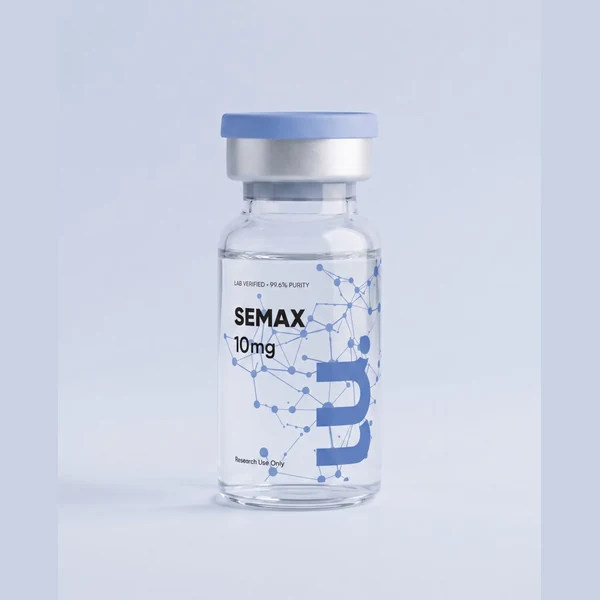
Italy applies REACH (Regulation (EC) No 1907/2006) and CLP (Regulation (EC) No 1272/2008) as directly effective EU regulations, but unusually among member states it operates two separate national helpdesks rather than one combined service: the CLP helpdesk is run by the National Centre for Chemical Substances at the Istituto Superiore di Sanità in Rome, while the REACH helpdesk is run separately by the Ministry of Economic Development. A compound such as Semax is documented under this combined framework as a research reagent, verified by HPLC and mass spectrometry, rather than under a pharmaceutical approval pathway.
What language should accompany the documentation?
REACH Article 31(5) requires a safety data sheet in an official language of the member state where the substance is placed on the market, unless that state provides otherwise — for Italy, that points to Italian-language documentation as the default expectation. The certificate of analysis for the specific batch shipped is largely numerical data — HPLC purity, mass spectrometry molecular weight, batch number — that reads the same regardless of language, though the supporting safety data sheet should still meet the Italian-language requirement. The elements a complete COA should contain are set out in how to read a peptide COA.
What does dispatch from within the EU mean for an Italian order?
SemaxBuy dispatches from an EU-based point, which is the detail that most affects how quickly and predictably a parcel reaches an Italian laboratory. Expected handling and transit windows, along with the EU-wide 14-day right of withdrawal, are set out on the shipping and returns page. Delivery specifics for a particular order are confirmed together with the order itself rather than asserted in general here.
What does a stated ≥99% purity figure actually confirm?
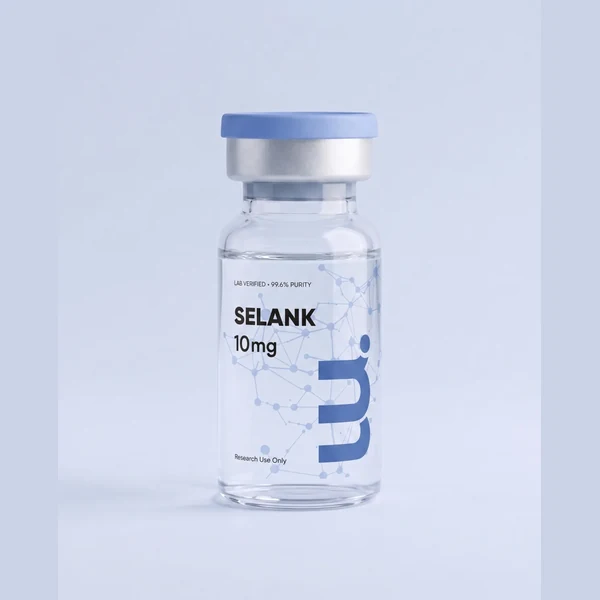
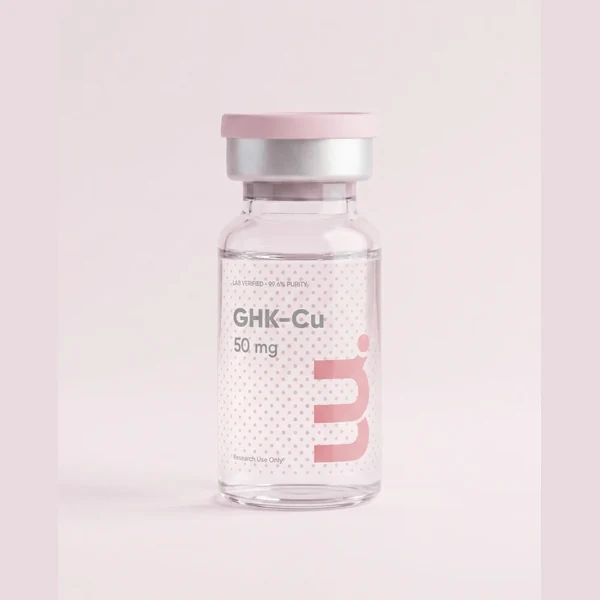
HPLC purity, as printed on most certificates of analysis, is an area-normalisation calculation — the target peak's area divided by total peak area — and on its own it does not confirm that the major peak is the labelled sequence rather than a structurally similar compound eluting at a comparable retention time. Mass spectrometry closes that gap by confirming the molecule's identity by mass directly. The full explanation is set out in what HPLC purity actually measures, and it applies to GHK-Cu, Selank and every other compound in the catalogue, not only to Semax.
Why does research use only framing matter specifically in Italy?
Italy's medicines regulator, the Agenzia Italiana del Farmaco (AIFA), has not evaluated Semax or the rest of the SemaxBuy catalogue for any indication, and none of the compounds carry Italian marketing authorisation. This sits alongside, but is legally separate from, Semax's pharmaceutical registration in Russia, covered in what Semax is. Labelling and marketing the material strictly as a research reagent — documented by purity and identity data rather than a dosing regimen — is what keeps it inside the REACH/CLP chemicals category in Italy rather than under the pharmaceutical approval process AIFA administers.
What should a buyer verify before ordering into Italy?
The practical checklist is consistent with the rest of the EU: a batch number on the COA matching the vial label, HPLC and mass spectrometry data together rather than a bare purity percentage, an SDS available in Italian, and a clearly stated dispatch point within the EU. The wider set of warning signs distinguishing a credible vendor from an unverified listing is covered in how to spot a low-quality research peptide vendor, and current batch documentation for the range is published on the purity and COA page. The ordering process itself is set out step by step in the guide to buying research Semax.
How does an institutional Italian order add to this picture?
A researcher ordering through an Italian university or research institute typically layers internal procurement policy — a purchase order, a laboratory chemical inventory entry, sometimes a biosafety sign-off — on top of the REACH/CLP requirements described above. That institutional step is not set by SemaxBuy, but a complete COA, Italian-language SDS and dispatch record are exactly the documents most institutional procurement offices will expect before a compound is logged into inventory.
What CLP labelling applies to an Italian order?
Where a hazard classification applies, CLP requires pictograms, signal words and hazard statements on the packaging itself, supplied in Italian for material placed on the Italian market, under the same official-language principle that governs the accompanying safety data sheet under REACH Article 31. For a short peptide shipped in milligram quantities, the practical labelling requirement is modest relative to bulk chemical shipments, but the vial and outer packaging should still be consistent with what the SDS declares.
How does batch consistency matter for repeat Italian orders?
A research programme placing multiple orders over time should expect batch numbers to change between shipments even when the same compound and purity specification is ordered, since peptide synthesis is a batch process and no single COA remains representative indefinitely. An Italian buyer running a longitudinal study should request the current batch's COA at the time of each order rather than relying on documentation from an earlier purchase, and should log the batch number in their own study records so that any later question about material provenance can be traced back to the correct certificate.
Why does Italy's split helpdesk system matter in practice?
Because CLP and REACH questions are handled by two separate Italian bodies rather than one combined office, a researcher with a labelling question and a researcher with a registration-threshold question may need to contact different national contacts depending on which regulation the question falls under. This is largely an administrative detail rather than one that changes what documentation a buyer should expect from a supplier, but it is worth knowing before assuming a single Italian helpdesk covers both regulations the way it does in some other member states.
None of the above constitutes legal advice, and jurisdiction-specific questions should be directed to a qualified adviser or institutional compliance office. Every product in the SemaxBuy catalogue is supplied strictly for research use only, consistent with the framework described here.