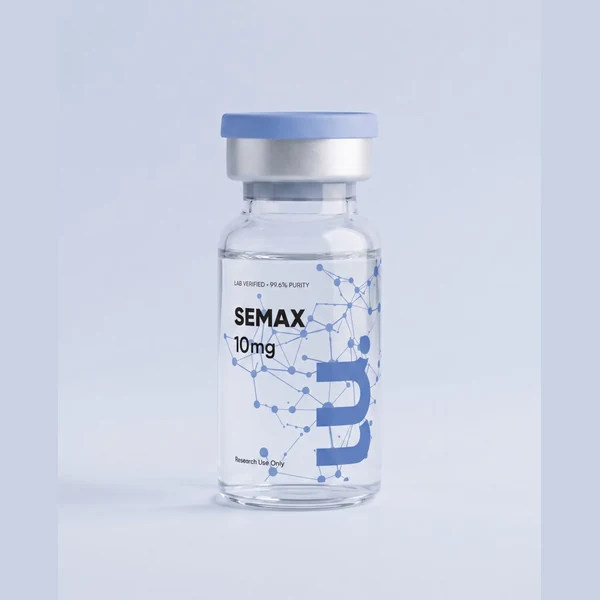
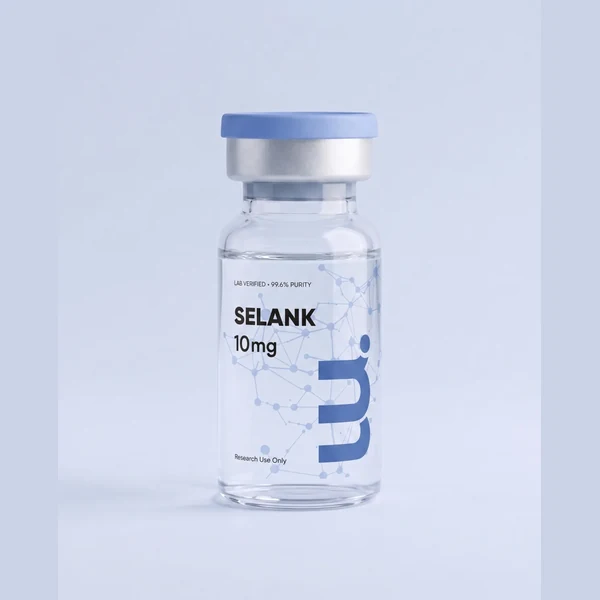
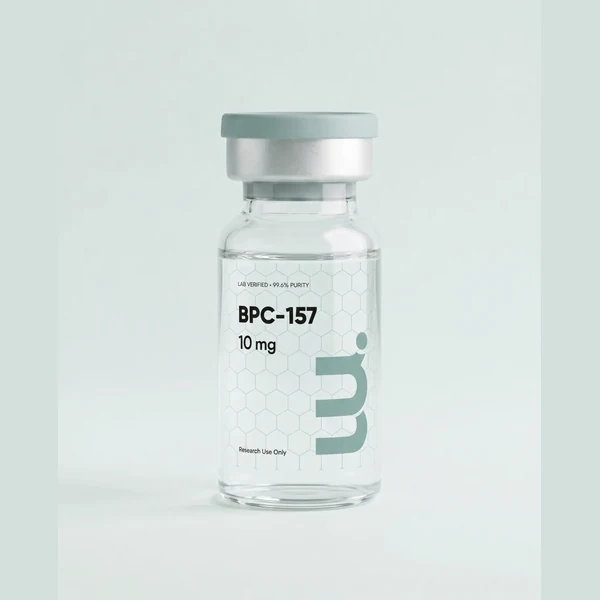
A research peptide shipped into Germany moves under the EU's general chemicals framework — REACH and CLP — rather than under German medicines or narcotics law, provided it is genuinely labelled and sold as a laboratory reagent rather than a finished product for human administration. What changes for a German order is documentation: which language it must be in, which national body handles classification questions, and confirming the compound sits outside Germany's controlled-substance legislation. The general EU-wide version of this framework is set out in buying research peptides in Europe; this article looks specifically at what applies to a German order.
What regulatory framework applies to a research peptide entering Germany?
Germany implements REACH (Regulation (EC) No 1907/2006) and CLP (Regulation (EC) No 1272/2008) as directly applicable EU law, the same two regulations that govern research chemicals across every member state. Germany's national contact point for questions under either regulation is the REACH-CLP-Biozid Helpdesk operated by the Federal Institute for Occupational Safety and Health (BAuA) in Dortmund, which fields classification and safety data sheet questions from businesses and researchers. A compound such as Semax is regulated under this chemicals framework, as a laboratory reagent verified by HPLC and mass spectrometry, not under a pharmaceutical licensing regime.
Does Germany's New Psychoactive Substances Act change anything?
Germany's Neue-psychoaktive-Stoffe-Gesetz (NpSG) introduces generic controls over defined substance groups — chiefly phenethylamine-derived compounds and synthetic cannabinoids, with nitrous oxide, gamma-butyrolactone and 1,4-butanediol added to the law more recently. The law explicitly permits accepted use for research and industrial purposes and does not apply to substances already governed by German medicines legislation. A synthetic heptapeptide such as Semax or Selank falls outside both of the NpSG's defined substance groups by structural class, which is why peptide reagents are handled under REACH/CLP rather than under Germany's novel-substance controls. This is worth stating plainly, since the two frameworks are sometimes conflated by researchers new to ordering peptides into Germany.
What does dispatch from within the EU mean for a German order?
SemaxBuy dispatches from an EU-based point rather than from outside the region, which is the detail that most affects how quickly and predictably a parcel reaches a German laboratory. The logistics that apply — handling time, tracked transit, and the point at which a parcel is dispatched — are set out on the shipping and returns page, alongside the 14-day right of withdrawal that EU consumer law grants to distance purchases. Delivery specifics for a particular order are confirmed together with the order itself rather than asserted in general here.
What documentation should accompany a German order?
Three documents matter for a German buyer specifically. First, a certificate of analysis tied to the exact batch shipped, showing HPLC purity and a mass spectrometry result matching the compound's calculated molecular weight — the mechanics of reading that document are covered in how to read a peptide COA. Second, a safety data sheet in German: REACH Article 31(5) requires the SDS to be supplied in an official language of the member state where the substance is placed on the market, unless that member state provides otherwise, which in practice means German documentation for a German order rather than an English-only sheet. Third, a stated country of dispatch, which is worth confirming before ordering. What the purity percentage on that COA does and does not represent is covered separately in what HPLC purity actually measures.
Why does research use only framing matter specifically in Germany?
Germany's medicines regulator, the Bundesinstitut für Arzneimittel und Medizinprodukte (BfArM), has not evaluated Semax or any other compound on this site for any indication, and none of them are registered as a German medicine. That is a distinct question from the compound's status elsewhere: Semax carries a pharmaceutical registration in Russia, discussed in what Semax is, but that registration has no bearing on its regulatory status in Germany. Selling and labelling a peptide strictly as a research reagent — not formulated, dosed or marketed for human administration — is what keeps it inside the REACH/CLP chemicals framework rather than triggering the far more extensive approval process that applies to a medicinal product under German and EU pharmaceutical law.
What should a buyer verify before ordering into Germany?
A short set of checks covers most of what matters: a batch number on the vial that matches the batch number on the COA, both HPLC and mass spectrometry data rather than a purity figure alone, an SDS available in German, and a clearly stated country of dispatch within the EU. The broader set of red flags that separate a credible vendor from an unverified listing — missing batch data, implausible pricing, no named testing laboratory — is set out in how to spot a low-quality research peptide vendor, and the current COA library for every compound in the catalogue, including BPC-157, is documented on the purity and COA page.
Why does dispatch location matter when comparing vendors?
A vendor's dispatch point affects how reliably and how quickly a shipment reaches a German laboratory, independent of the underlying REACH/CLP classification of the compound itself, which does not change based on where an order is sent from. Dispatch location is therefore worth confirming as a practical matter, independent of the supplier's stated purity or documentation quality, and it is one of the questions the guide to buying research Semax walks through as part of the ordering process.
What CLP labelling should appear on the package itself?
Beyond the safety data sheet, CLP also governs how a shipped substance is labelled directly on its packaging where a hazard classification applies — pictograms, signal words and hazard statements in the destination country's language. For a short synthetic peptide supplied at milligram quantities in a sealed vial, the practical labelling burden is limited relative to bulk industrial chemicals, but the same principle holds: any hazard statement on the vial or outer packaging should appear in German for a German order, consistent with the same Article 31 language logic that governs the accompanying SDS. A buyer who receives packaging with no hazard information at all, where a hazard classification would normally apply, has grounds to ask the supplier for the missing documentation before use.
None of this constitutes legal advice, and a researcher with a jurisdiction-specific question should consult their institution's compliance office. Every product on SemaxBuy is supplied strictly for research use only, with batch-specific documentation available for review in the catalogue before an order into Germany is placed.